
Scopus AI

Scopus AI
We design intelligent systems around the way businesses actually operate — connecting company knowledge, customer interactions, documents and workflows with practical AI.





We will also tell you when AI is not the answer. Plenty of problems that look like AI problems are better solved with clearer process, better software, or a rules engine that never surprises anyone.
Where it applies
Start with the task.
The projects that work begin with a specific repeated task that has a measurable cost — not with a decision to use AI. If the honest answer is better software or a clearer process, we would rather say so early.
Staff spending hours finding answers buried in internal documents

High volumes of invoices, forms or contracts keyed in by hand

Support teams answering the same questions repeatedly
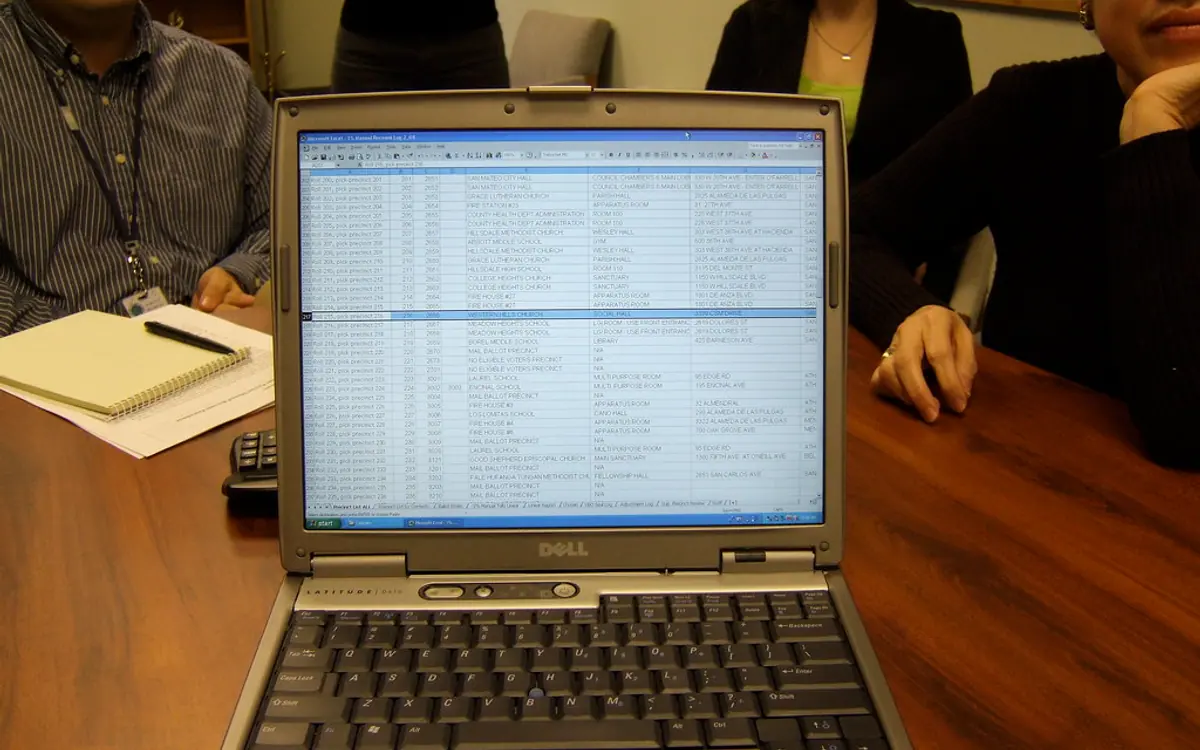
Operations run on spreadsheets that have outgrown themselves

Data moved between CRM, email and finance systems by copy-and-paste

A product that would be materially better with AI inside it
Creative × Growth × Technology
Three things a business needs, usually bought from three different suppliers. We do all three, which means the brand, the campaign and the product behind them can finally agree with each other.




Engineering
One team across the whole stack, so the interface, the services, the data and the deployment are designed to fit rather than negotiated between suppliers.
Experience
What people see and touch.
- React
- Next.js
- Vue.js
- TypeScript
- React Native
- Flutter
Application
The services and logic behind it.
- Node.js
- FastAPI
- Flask
- Laravel
- PHP
- .NET
Intelligence
Where AI does the work.
- LLMs
- RAG
- Agents
- OCR
- Vision AI
- Voice AI
Data
What everything is built on.
- PostgreSQL
- MySQL
- MongoDB
- Vector databases
- Redis
Delivery
How it reaches production and stays there.
- AWS
- Docker
- Cloudflare
- CI/CD
Built for production.
Good digital products need more than good interfaces. Our engineering capability extends through architecture, deployment, testing and production operations.
- AWS
- Docker
- Cloudflare
- CI/CD
- GitHub & GitLab workflows
- Lambda
- S3
- Deployment automation
- Testing
- Monitoring
How we work
From idea to working product — faster.
What stays with people
- Architecture, and the trade-offs behind it
- Code review, and what gets merged
- Accountability for decisions that are expensive to reverse
We combine experienced product thinking with modern AI-assisted development workflows to move from specification to prototype and production more efficiently — without treating speed as a substitute for engineering discipline.
Specification-driven and architecture-first development, with agent-assisted implementation and automated testing. What that changes is how quickly we can get to something real. What it does not change is who is accountable for the architecture, the review and the decisions that are expensive to reverse.
Specification
Turning a brief into something precise enough to build against.
Architecture
Exploring options and their trade-offs before committing.
Interface
Getting from wireframe to working screens sooner.
API implementation
Scaffolding the predictable parts of a service layer.
Testing
Broader coverage on the paths that would be expensive to break.
Refactoring
Making structural change affordable rather than deferred.
Debugging
Narrowing down the cause faster than reading alone.
Documentation
Keeping architecture decisions written down as they are made.
To be clear about the limits: AI does not build the product on its own. Human architecture, validation and engineering review stay central, and every line that reaches production is reviewed by the people accountable for it.
How the software gets built
Spec-driven development.
Generating code stopped being the slow part. Deciding what should exist, how it should be structured and what must never break did not — so we write that down first and let the tooling work against it.
Behaviour, written down
What the system does, in cases specific enough to disagree with before anyone builds them.
Interfaces and contracts
Types, payloads and boundaries agreed first, so generated code has something to be correct against.
Acceptance criteria
The conditions that make it done — the same definition for the agent and the reviewer.
Human review, every diff
Nothing merges because it was produced confidently. Architecture and release stay with people.
The toolchain
Claude
Reasoning & implementation
Works through a written specification, drafts the code and explains the trade-offs it made.
Codex
Code generation
Fills in the predictable parts of a service layer once the interfaces are agreed.
Cursor
In-editor assistance
Keeps generation next to the code being changed, so context is the repository rather than a chat.
GitHub Copilot
Inline completion
The small, constant suggestions — the ones not worth writing a prompt for.
Make
Workflow orchestration
Connects the systems around the software, where a workflow is better configured than coded.
n8n
Self-hosted automation
The same job as Make, on your own infrastructure, when data cannot leave it.
Tool names are used to describe how we work. They are the products of their respective owners, and no partnership or endorsement is implied. The method is the part we would keep if every one of them were replaced tomorrow.
Explore
Technology & Automation.
Scopus AI is how we think about the work. These are the services it is delivered through, each with its own detail, approach and answers.