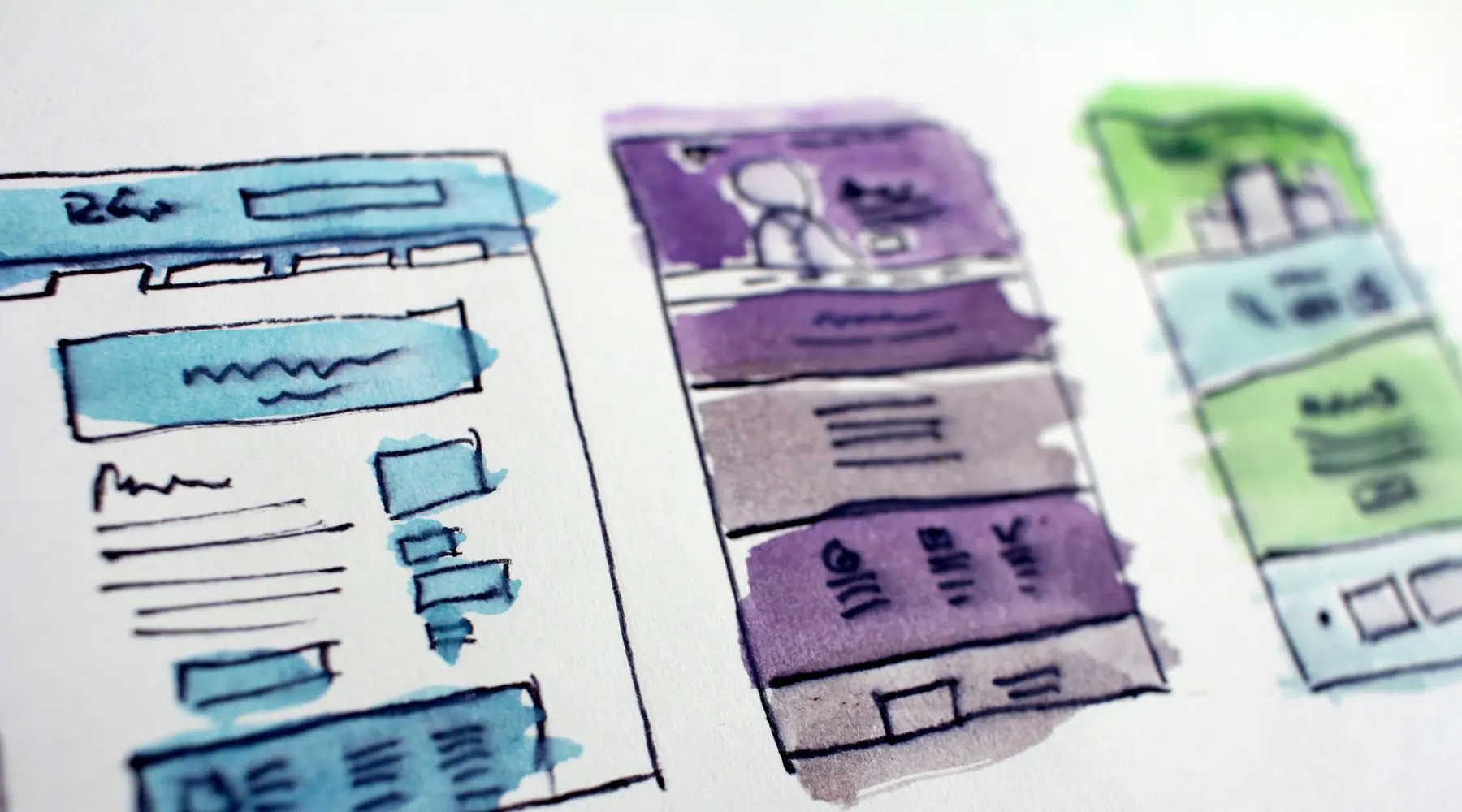


Web & Digital Experience

Customer and partner portals, dashboards and internal tools — designed to be used, not just delivered.

What this is

Internal software fails on usability, not features.

We build the applications that sit behind a login: customer self-service portals, partner and dealer systems, internal operational tools and reporting dashboards, with accounts, permissions and the interface design to make them usable.

Business applications are usually specified by function and judged by feel. If a daily task takes eleven clicks, people revert to the spreadsheet — and the investment quietly stops returning anything.

01

Design the frequent task first

The thing done fifty times a day deserves more attention than the thing done once a quarter.

02

Permissions are a design problem

Roles should shape what each person sees, not just what they are allowed to click.

03

Self-service reduces load

Every answer a customer can find themselves is a request your team never receives.

Use cases

When businesses come to us for this.

Customers phoning in for order, account or document status

Partner or dealer networks managed over email

Operations run on spreadsheets shared between teams

Reporting assembled by hand every month

What this is

What we actually do here.

Customer and partner portals
Internal operational tools
Dashboards and reporting interfaces
Authentication, roles and permissions
Workflow and approval flows
Document and file management
Third-party system integration

Technology

Interface

  • React
  • Next.js
  • TypeScript

Services

  • Node.js
  • FastAPI
  • PostgreSQL
  • Auth providers

How it runs

A working rhythm, not a process deck.

01

Observe

Watch the work being done today, including the workarounds people have invented.

02

Prototype

Interactive prototypes of the core flows, tested with real users before engineering.

03

Build

Application, permissions and integrations, released in usable increments.

04

Adopt

Rollout, training and iteration based on how the tool is genuinely used.

What it should achieve

Outcomes worth measuring.

Routine requests handled without your team

One reliable source of operational truth

Software people choose over the spreadsheet

Reporting produced automatically

Questions

The things people ask.

A portal has accounts, permissions, persistent data and business logic. That changes the scope, the security requirements and the long-term maintenance — which is why it is worth naming early.