
Branding
Sample draftMemorability is not a mood. It is a set of assets used consistently enough that people start recognising them without effort.
Ask most teams what makes their brand memorable and you get adjectives. Bold. Human. Innovative. None of those are things an audience can actually see, and none of them survive contact with a feed moving at speed.
Memorability is more mechanical than that. A brand becomes easy to recall when it owns a small number of specific things and repeats them relentlessly. Not a mood — a set of assets.
Distinctiveness beats differentiation
There is a useful distinction between being different and being distinctive. Differentiation is about what you claim: better service, smarter technology, more experience. Most of those claims are unverifiable at the moment someone encounters your brand, and most of your competitors are making versions of the same ones.
Distinctiveness is about being identifiable. It asks a simpler question: if the logo were removed, would anyone still know this was you? That question is answerable, and it is far more useful.
The assets that actually do the work
In digital environments, a small set of elements carry almost all the recognition load:
- Colour, used in large decisive fields rather than as small accents
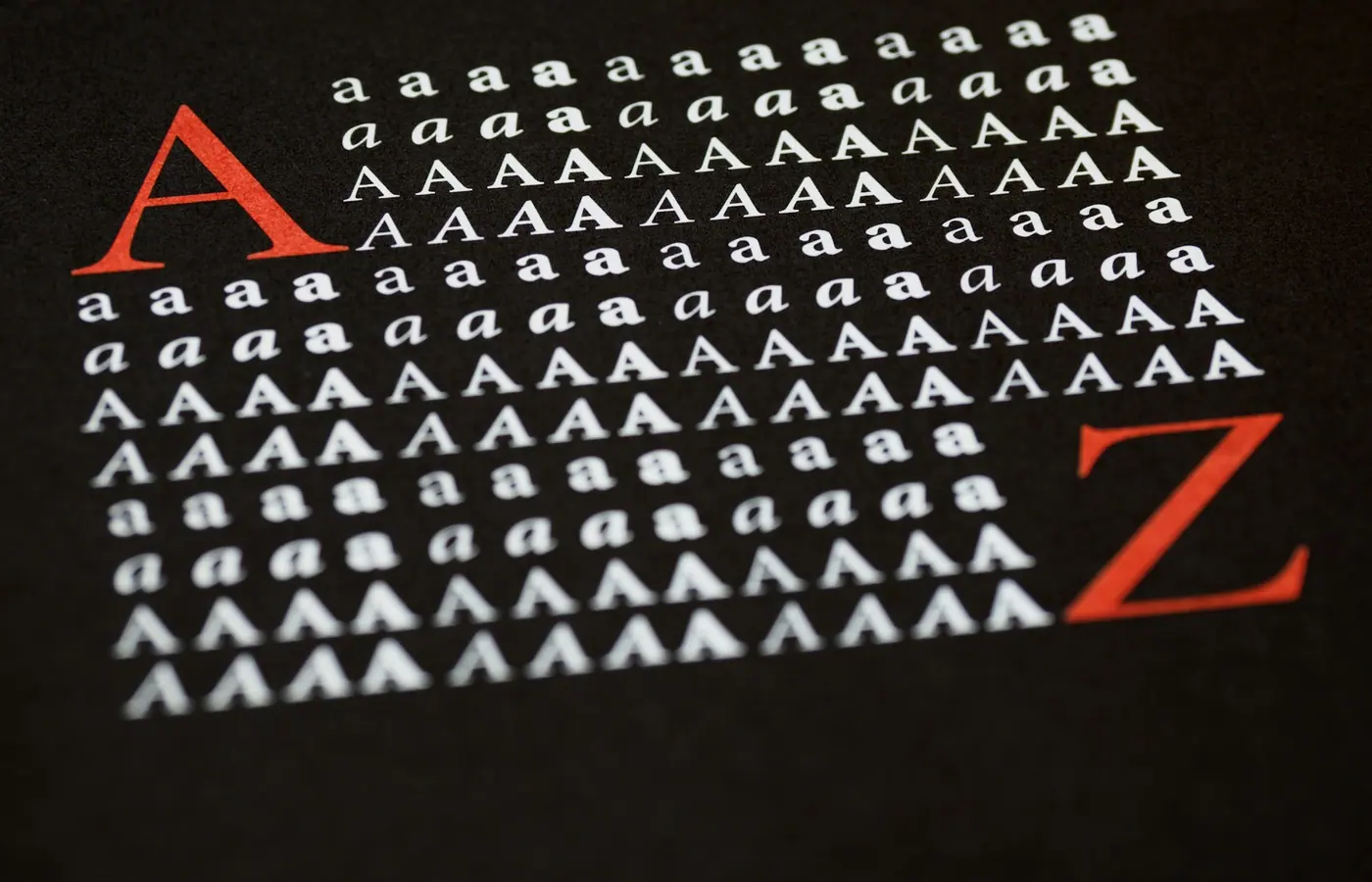
- Typography, particularly a distinctive display face used at scale
- Composition — a consistent grid and crop logic across formats
- Motion — how things enter, move and settle
- Photographic treatment, including what you never photograph
- Voice, which makes text recognisable before any visual arrives
Notice that a logo is not on that list. Logos matter for ownership and legal protection, but in a feed they are frequently the smallest element on screen and often cropped out entirely.
Consistency is uncomfortable
The hardest part of building recognition is that it requires repetition long past the point where the internal team is bored of it. Marketing teams see their own brand hundreds of times a week. Their audience might see it four times a year.
The moment a brand team becomes tired of its own identity is usually the moment the audience is starting to recognise it.
This is why systems matter more than campaigns. A documented system with locked type, fixed colour and defined composition rules removes the option to quietly drift each quarter. It makes consistency the path of least resistance rather than an act of discipline.
Where to start
If you want a practical test, take your last twenty pieces of digital output — posts, ads, pages, emails — and lay them out together with every logo removed. If they look like they came from four different companies, you do not have a memorability problem to solve with a new idea. You have a consistency problem to solve with a system.
That is usually good news. Systems are far more tractable than inspiration.